Tracing Yeast Heritage Lines That Contribute Distinct Profiles to Fermentations in Austria's Westernmost Growing Areas
Geschrieben von Frankie Becker · 19.10.2026
Tracing Yeast Heritage Lines That Contribute Distinct Profiles to Fermentations in Austria's Westernmost Growing Areas
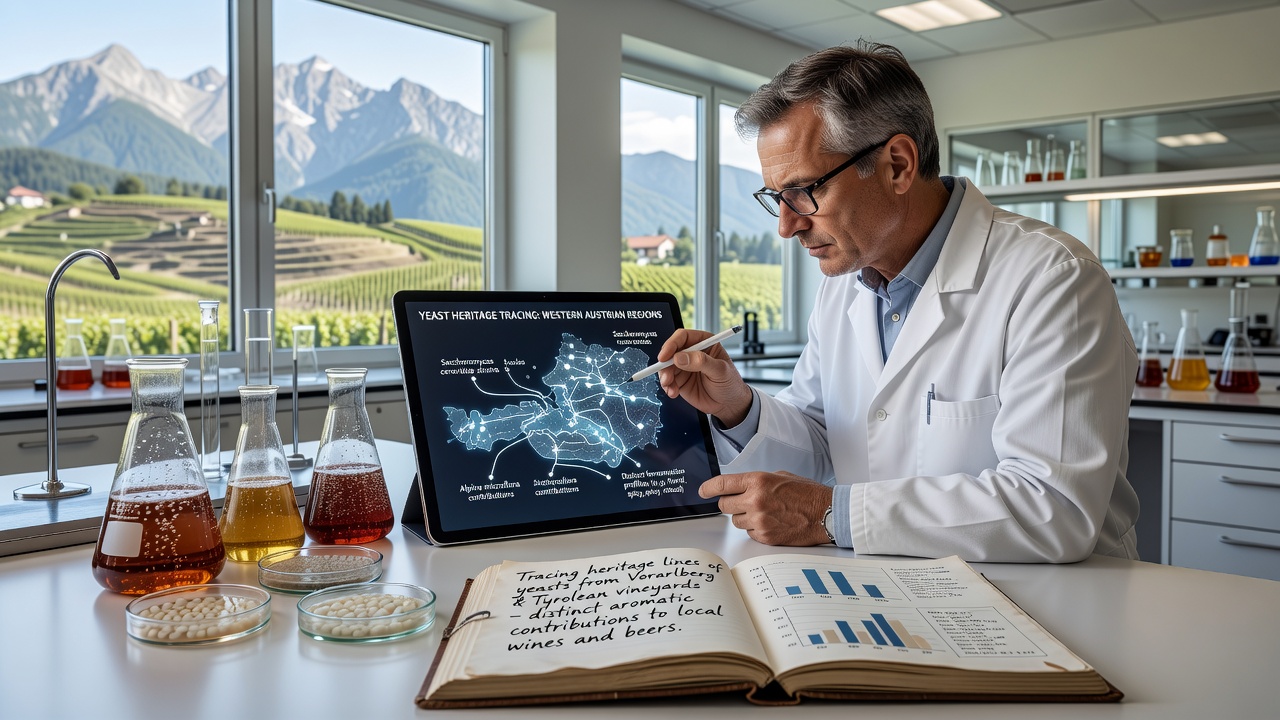
Western Austria's wine regions, concentrated in Vorarlberg near the borders with Switzerland and Germany, feature steep slopes and alpine influences that shape both grape cultivation and microbial activity during fermentation. Researchers have mapped yeast populations in these pockets through genetic sequencing projects that trace heritage strains back several centuries, revealing lineages adapted to cooler climates and mineral-rich soils. These strains often produce fermentation profiles marked by elevated ester compounds and restrained volatile acidity compared to commercial isolates used elsewhere.
Mapping Indigenous Yeast Populations
Genetic analysis of vineyard soils adn must samples from sites around Bregenz and Feldkirch has identified distinct clades of Saccharomyces cerevisiae that persist across multiple vintages. Studies conducted by institutions in Austria and neighboring regions show these lineages carry markers for efficient nitrogen uptake, which supports steady fermentation rates even when temperatures drop early in the season. Observers note that such adaptations trace to historical practices where winemakers relied on spontaneous fermentation from resident flora rather than inoculated yeasts.
Data from long-term sampling programs indicate that certain heritage lines contribute elevated levels of thiols and terpenes during the later stages of fermentation, resulting in wines with pronounced herbal and stone-fruit notes. These characteristics stand apart from profiles generated by widely distributed industrial strains. What's interesting is how local topography channels cold air drainage that slows yeast metabolism, allowing extended contact between lees and wine that further refines aroma development.
Methods for Tracing Lineage and Influence
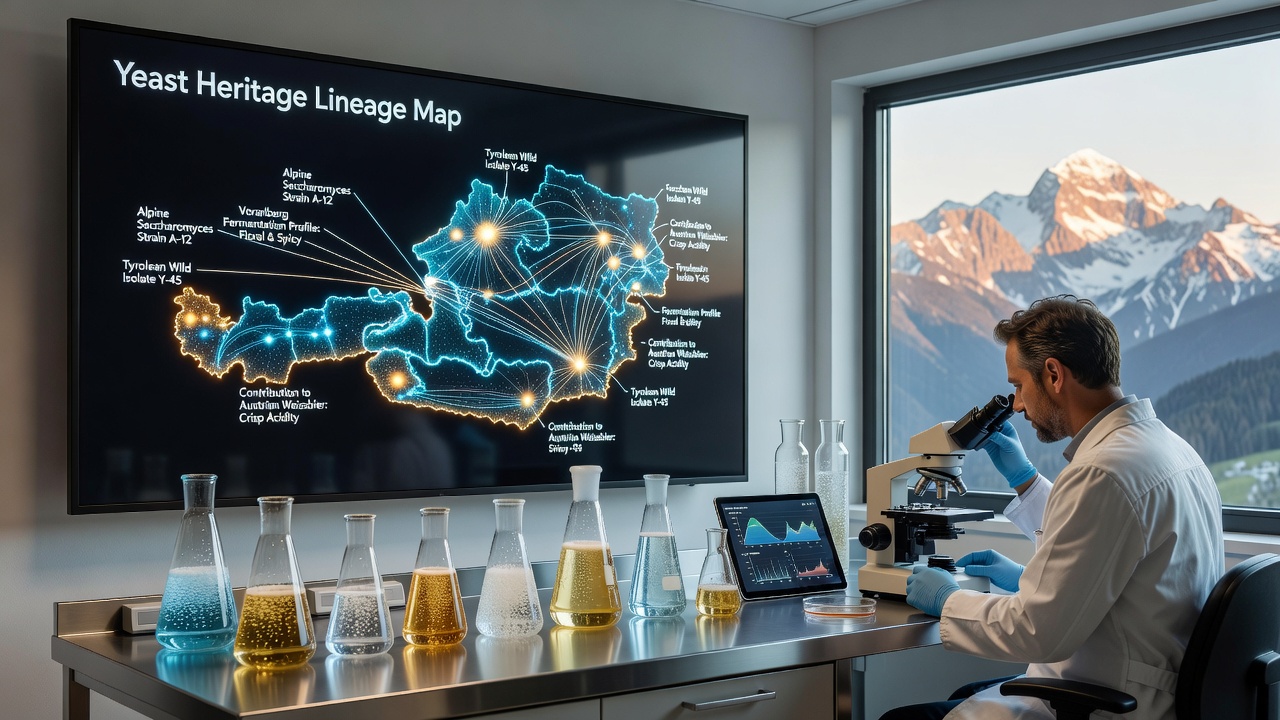
Scientists employ whole-genome sequencing combined with microsatellite analysis to distinguish heritage yeast from introduced populations. One project tracked strain persistence across five consecutive harvests, documenting how specific alleles associated with cold tolerance appear at higher frequencies in western Austrian isolates than in samples from warmer eastern districts. Such work relies on reference databases maintained by European research networks and draws occasional comparison with collections held at North American viticulture centers.
During October 2026 a multi-site symposium scheduled in Feldkirch will present updated phylogenetic trees that incorporate new metagenomic data from both commercial and abandoned vineyard plots. Participants expect presentations on how heritage lines interact with non-Saccharomyces species early in fermentation, a phase that sets the foundation for later aroma formation. Findings from these sessions will feed into ongoing efforts to preserve microbial diversity amid changing climate patterns.
Impact on Fermentation Outcomes and Regional Identity
Wineries that maintain resident yeast populations report consistent differences in finished wines, including slower malolactic conversion rates and retained acidity levels that align with the alpine growing conditions. Analytical data collected over multiple seasons show that certain heritage strains produce lower concentrations of higher alcohols while increasing ethyl ester output, yielding aromatic signatures that local appellation committees have begun to document for future labeling discussions.
Collaborations between Vorarlberg producers and laboratories in Canada have introduced comparative trials using identical grape lots fermented with both local heritage isolates and reference strains from British Columbia vineyards. Early results reveal measurable divergence in polysaccharide release and mouthfeel attributes, underscoring the role of site-specific microbial heritage. Researchers continue to monitor how these differences evolve when wines undergo extended lees aging typical of the region's white wine styles.
Preservation and Future Applications
Gene banks established at Austrian agricultural universities now hold cryopreserved cultures representing the dominant heritage clades identified in western districts. These collections support breeding programs aimed at developing hybrid strains that retain desirable fermentation traits while improving robustness under variable harvest conditions. External partners, including the Australian Wine Research Institute, have contributed sequencing protocols that accelerate identification of functional genes linked to aroma modulation.
Continued monitoring through 2026 and beyond will clarify whether climate shifts alter the relative abundance of these heritage lines or favor emergence of new variants. Regulatory frameworks within the European Union encourage documentation of microbial resources as part of broader agricultural biodiversity initiatives, providing a framework for protecting the genetic material that underpins distinctive regional fermentations.
Conclusion
Heritage yeast lines in Austria's westernmost growing areas represent a measurable component of local wine character, documented through genomic tracing and fermentation trials that continue into the current decade. Ongoing research integrates these findings with practical winery protocols, supporting both preservation of microbial diversity and consistent production outcomes across variable vintages.