How Monastic Traditions Still Guide Grape Harvest Rituals in Austria's Remote Terraced Slopes
Geschrieben von Jonas Carter · 19.8.2026
How Monastic Traditions Still Guide Grape Harvest Rituals in Austria's Remote Terraced Slopes
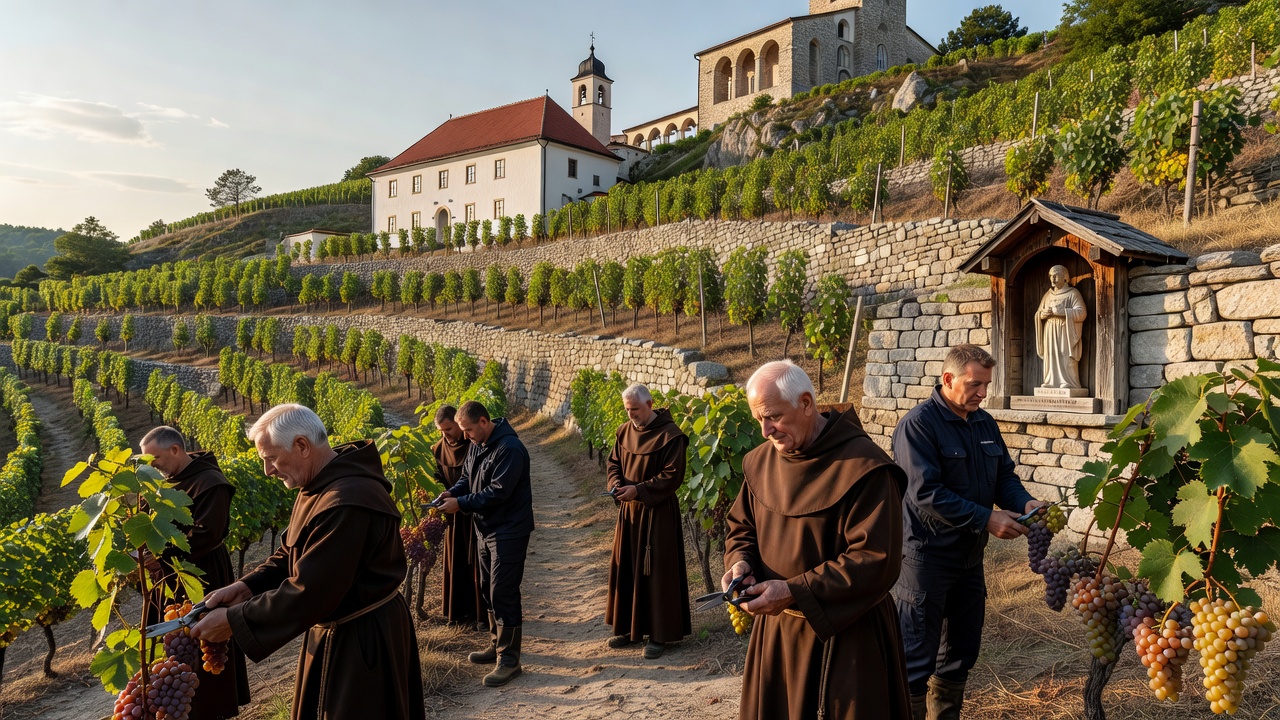
Monastic orders established vineyards across Austria's steepest slopes centuries ago and their influence persists in harvest practices that continue on remote terraces in regions such as the Wachau and Kamptal. Benedictine and Cistercian communities cleared land, constructed dry-stone walls and introduced grape varieties that still dominate production today, while their calendars of prayer and communal labor shaped seasonal rhythms that growers follow during the annual vintage.
Historical Foundations of Terraced Viticulture
Monks arrived in the Danube valley during the Middle Ages and began transforming inaccessible hillsides into productive agricultural land, building terraces that captured sunlight and prevented erosion on slopes exceeding 50 percent gradient. Records from the twelfth century document the transfer of vineyard ownership to religious houses, which then maintained detailed ledgers of planting dates, yields and tithes collected from tenant farmers. These archives reveal systematic approaches to pruning, soil management and harvest timing that emphasized collective effort over individual labor. Observers note that the same terraces, many still held by successor institutions or cooperative growers, retain the original wall alignments and access paths laid out under monastic supervision.
Rituals Carried Forward from Monastic Practice
Harvest begins each year with a blessing ceremony conducted at dawn on the highest terraces, where a local priest recites prayers once intoned in abbey chapels and sprinkles holy water on the first rows of grapes. Workers then proceed row by row in coordinated teams, a method that mirrors the division of labor described in medieval monastic rules. Participants often sing traditional harvest songs whose melodies derive from Gregorian chant traditions preserved in regional songbooks. These songs mark the pace of picking and signal breaks for communal meals prepared in the same stone huts used by earlier generations of monk-led crews.
Data from the Austrian Wine Marketing Board shows that more than 1,400 hectares of terraced vineyards in Lower Austria continue to rely on hand harvesting, a practice directly tied to the narrow widths of monastic-era terraces that prohibit mechanical equipment. Researchers at the University of Natural Resources and Life Sciences in Vienna have documented that yields from these sites average 4,200 kilograms per hectare, lower than flatland parcels yet consistently higher in acidity and aromatic intensity, characteristics the monks selected for through centuries of selective propagation.
Regional Variations in August 2026
Preparations for the 2026 vintage begin in late summer when terrace owners inspect walls for winter damage and schedule communal repair days that echo the original corvée obligations once owed to abbeys. In August 2026 the Wachau Growers Association will host its annual terrace festival on the fifteenth, featuring a procession from the ruins of a former Cistercian priory to the central vineyard chapel. Participants carry baskets of early-ripening varieties and place them on the altar before a mass that concludes with the distribution of blessed bread baked according to a recipe preserved in monastic cookbooks. Similar events occur in the Kamptal, where growers coordinate with the local parish to align harvest start dates with the liturgical calendar.
Transmission of Knowledge Across Generations
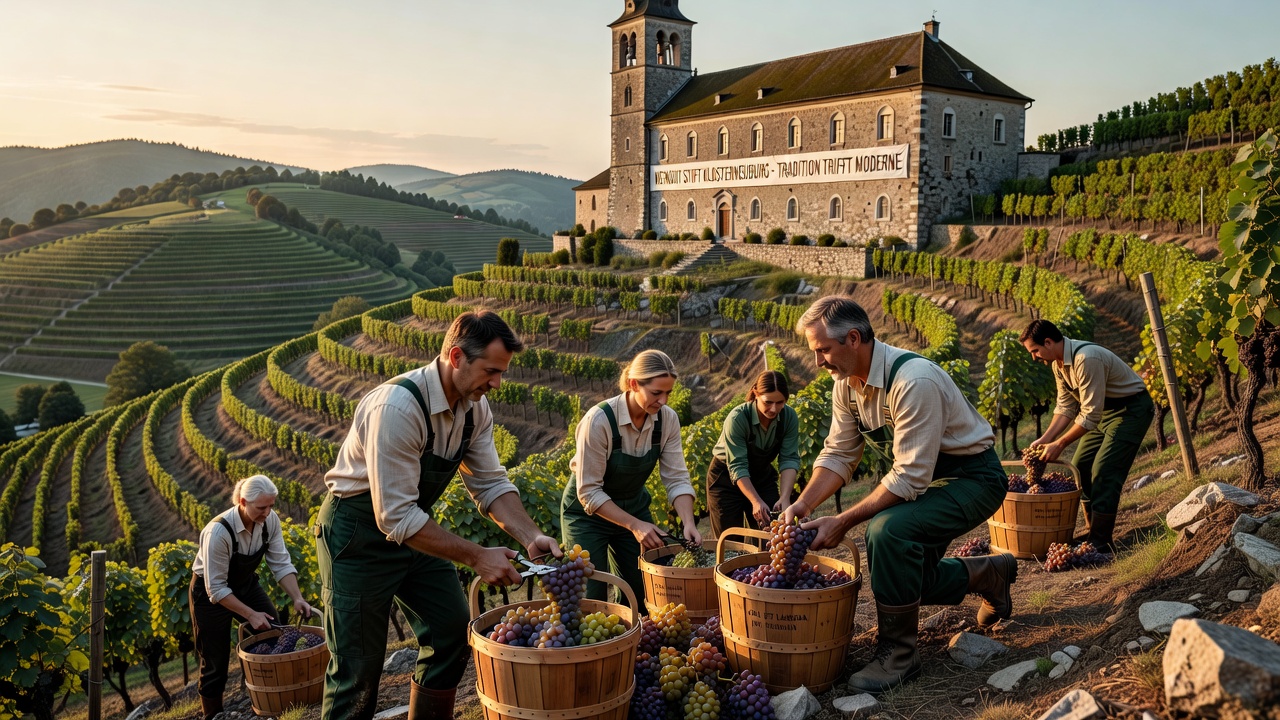
Training programs run by the Austrian Federal Ministry of Agriculture incorporate modules on monastic viticultural history, requiring participants to study original manuscripts held in abbey libraries before they receive certification for terrace maintenance. Apprentices learn to recognize microclimates created by wall orientation and to time picking passes according to lunar phases noted in medieval agricultural treatises. Studies conducted by the International Organisation of Vine and Wine indicate that estates maintaining these ritual elements report lower staff turnover during harvest, attributing the outcome to the sense of continuity fostered by shared ceremonies and songs.
Yet the physical demands remain unchanged: pickers ascend and descend hundreds of meters daily while carrying baskets that weigh up to 20 kilograms when full. Cooperative agreements among terrace owners ensure that labor is pooled across multiple sites, allowing smaller parcels to be cleared within the narrow window before autumn rains arrive. This system replicates the mutual aid arrangements documented in monastic charters from the fourteenth century.
Conclusion
Monastic legacies continue to shape both the physical landscape and the social organization of grape harvesting on Austria's remote terraced slopes. The terraces themselves stand as enduring monuments to medieval engineering, while the rituals of blessing, communal labor and seasonal song maintain direct links to the religious communities that first cultivated these sites. As the 2026 harvest approaches, growers in the Wachau and Kamptal will once again follow practices refined over centuries, demonstrating that the intersection of spiritual tradition and agricultural necessity remains central to production in these distinctive regions.